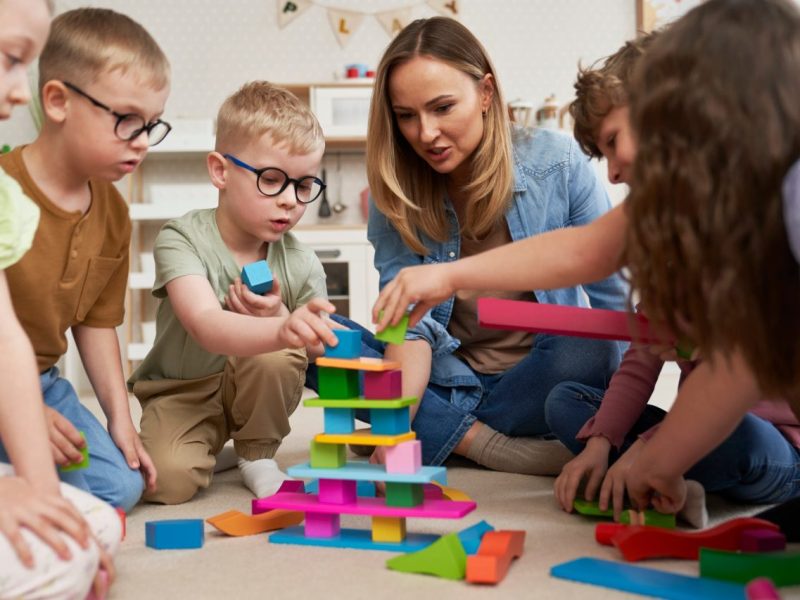
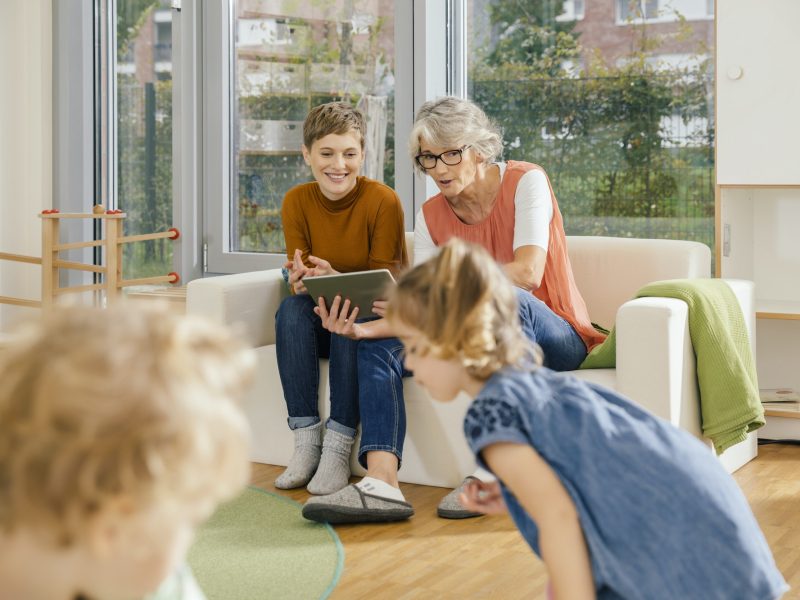
Infant and toddler curriculum focuses on fostering early childhood development through age-appropriate activities that promote physical, emotional, cognitive, and social growth. For infants, the curriculum emphasizes sensory experiences, such as touch, sight, sound, and movement, to stimulate brain development and help build foundational skills like object permanence and motor coordination. As toddlers begin to gain more independence, the curriculum shifts to encourage language development, social interactions, and problem-solving through activities like storytelling, group play, and hands-on exploration. Overall, the goal is to create a nurturing environment where infants and toddlers can learn at their own pace, build confidence, and develop the essential skills they need to succeed in later stages of life.
Learning is focused on six content areas:
Social emotional development
Physical development and health
Communication, language and literacy
Cognitive development
Creative art
Aproaches to learning
Rated 5 out of 5
Adult-Child Interaction
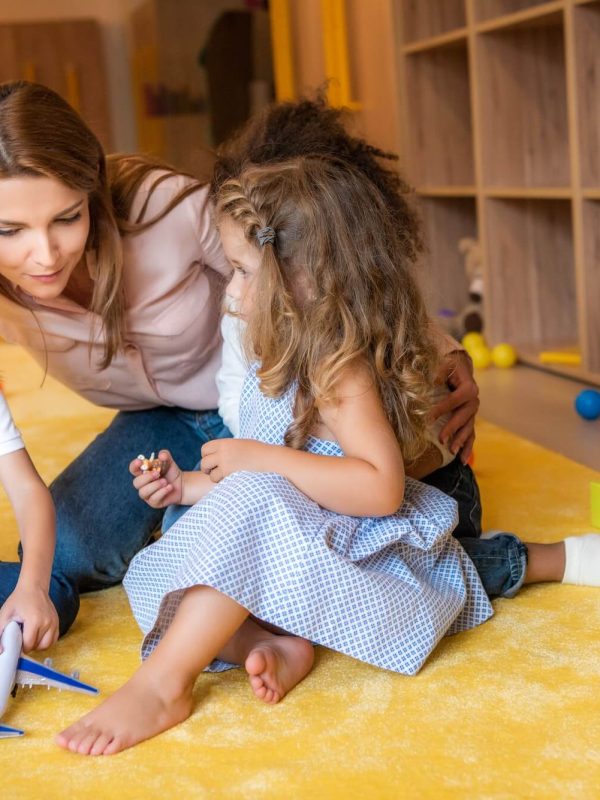
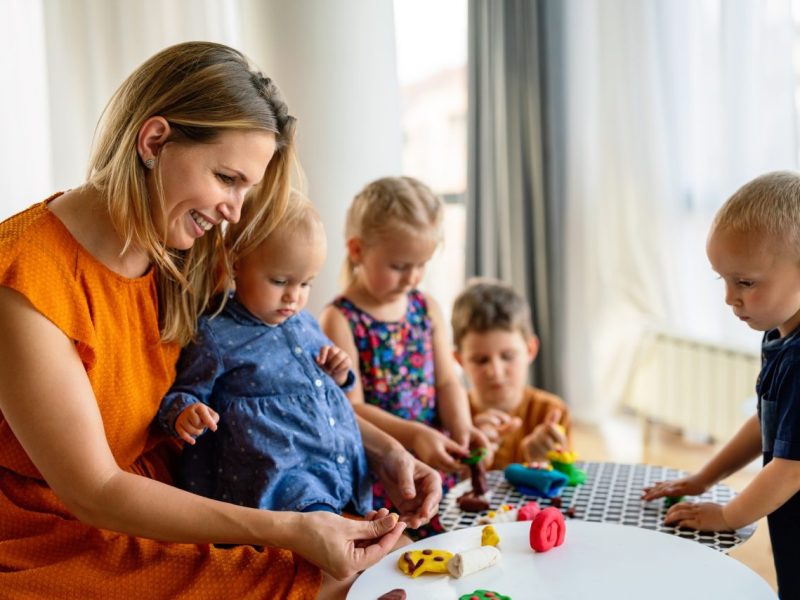
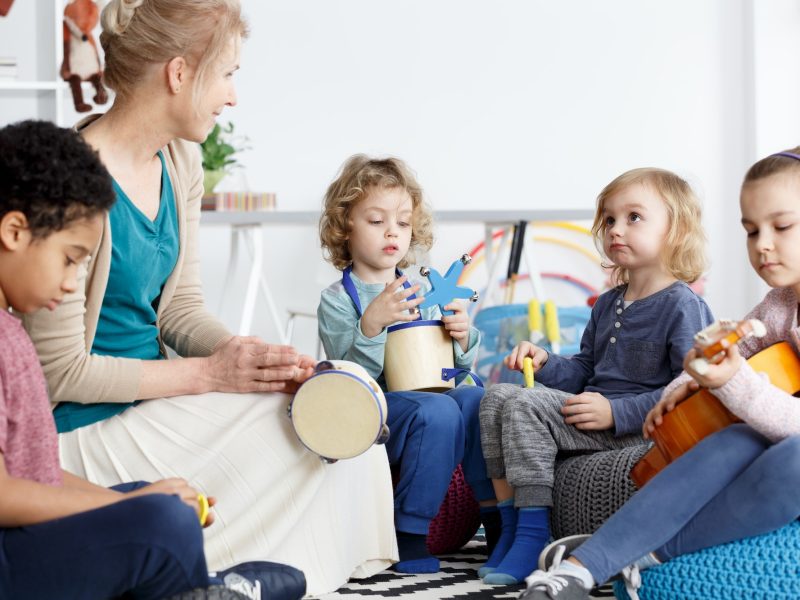
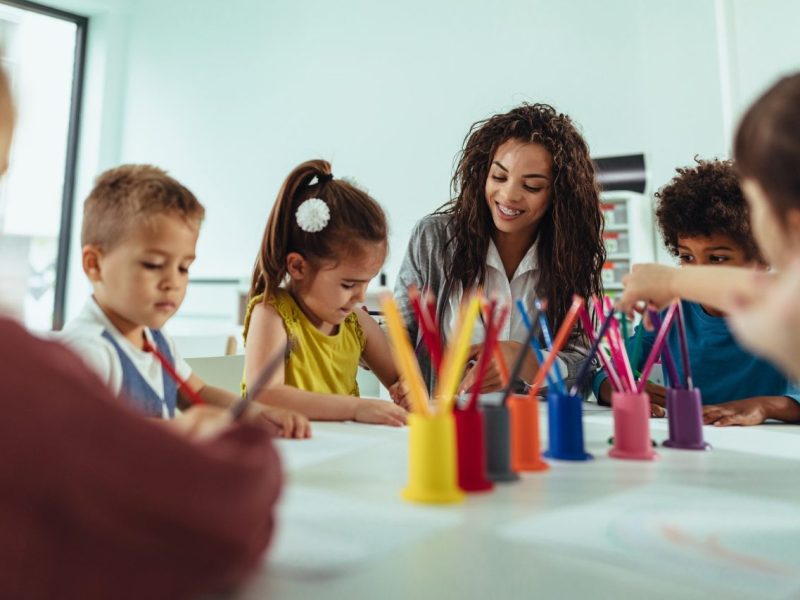
Teachers act as partners, working alongside children and communicating with them both verbally and nonverbally to encourage learning. Key strategies for adult-child interactions are sharing control with children, communicating as a partner with children, scaffolding children’s play, using encouragement instead of praise, and taking a problem-solving approach to supporting children in resolving conflicts.
Rated 5 out of 5
Learning Environment
To create a predictable and active learning environment, teachers arrange and equip the classroom with diverse, open-ended materials that reflect children’s home, culture, and language. The room is organized and labeled to promote independence and encourage children to carry out their intentions.
Rated 5 out of 5
Daily Routine
A consistent framework for the day provides a balanced variety of experiences and learning opportunities. Children engage in both individual and social play, participate in small- and large-group activities, assist with cleanup, socialize during meals, develop self-care skills, and exercise their small and large muscles. The most important segment of the daily routine is the plan-do-review sequence, in which children make decisions about what they will do, carry out their ideas, and reflect upon their activities with adults and other children. These higher-level thinking skills are linked to the development of executive functions, which are needed to be successful in school and life.
NM Pre-K (3 years – 5 years).
Overview
Curriculum
Our Mixed NM PreK program provides a high-quality early childhood education experience that brings together children from diverse backgrounds in an inclusive classroom setting. We proudly serve New Mexico PreK families at no cost, ensuring access to early education for all. Through a balanced, play-based and structured curriculum aligned with New Mexico Early Learning Guidelines, we support the development of language, literacy, math, social-emotional, and motor skills. Our program emphasizes individualized learning, cultural responsiveness, and strong family engagement, preparing every child for kindergarten while fostering confidence, curiosity, and a lifelong love of learning.
Learning is focused on seven content areas:
Social emotional development
Physical development and health
Communication, language and literacy
Mathematics
Creative art
Science and technology
Social studies
Rated 5 out of 5
Adult-Child Interaction
Teachers act as partners, working alongside children and communicating with them both verbally and nonverbally to encourage learning. Key strategies for adult-child interactions are sharing control with children, communicating as a partner with children, scaffolding children’s play, using encouragement instead of praise, and taking a problem-solving approach to supporting children in resolving conflicts.
Rated 5 out of 5
Learning Environment
To create a predictable and active learning environment, teachers arrange and equip the classroom with diverse, open-ended materials that reflect children’s home, culture, and language. The room is organized and labeled to promote independence and encourage children to carry out their intentions.
Rated 5 out of 5
Daily Routine
A consistent framework for the day provides a balanced variety of experiences and learning opportunities. Children engage in both individual and social play, participate in small- and large-group activities, assist with cleanup, socialize during meals, develop self-care skills, and exercise their small and large muscles. The most important segment of the daily routine is the plan-do-review sequence, in which children make decisions about what they will do, carry out their ideas, and reflect upon their activities with adults and other children. These higher-level thinking skills are linked to the development of executive functions, which are needed to be successful in school and life.